Joey Baker’s corner of the internet

Migrating ToDo Apps to OmniFocus
My ToDo app is how I run my life, but after switching from Things to TickTick a few months ago, I've realized TickTick isn't really clicking for me, and I am taking the opportunity of the new release of OmniFocus 4 to give it a shot.

Finding a New Reading App
Instapaper has been a daily habit for me for years. But, the pace of updates as dramatically slowed over the years, and the article parsing has gotten steadily worse, so I'm looking for a replacement.

"Storm Before the Storm" Take-aways
The beginning of the end of the Roman Republic has many lessons for today's world. It's a pity this great narrative doesn't dive into them.
Addressing Tech Debt
The Agile philosophy has left us poorly equipped to deal with this reality.
Don't be Worried About AI
It's a good time to strategize, not fear.
If Salesforce Bought Twitter
Quick thoughts on a direction for the probable Twitter acquisition.
Social Business Acquisition Theory
Microsoft wants to use LinkedIn to make money off ads. Because interrupting work with distractions has always been a good idea.
Why You Should Never Check-in node_modules
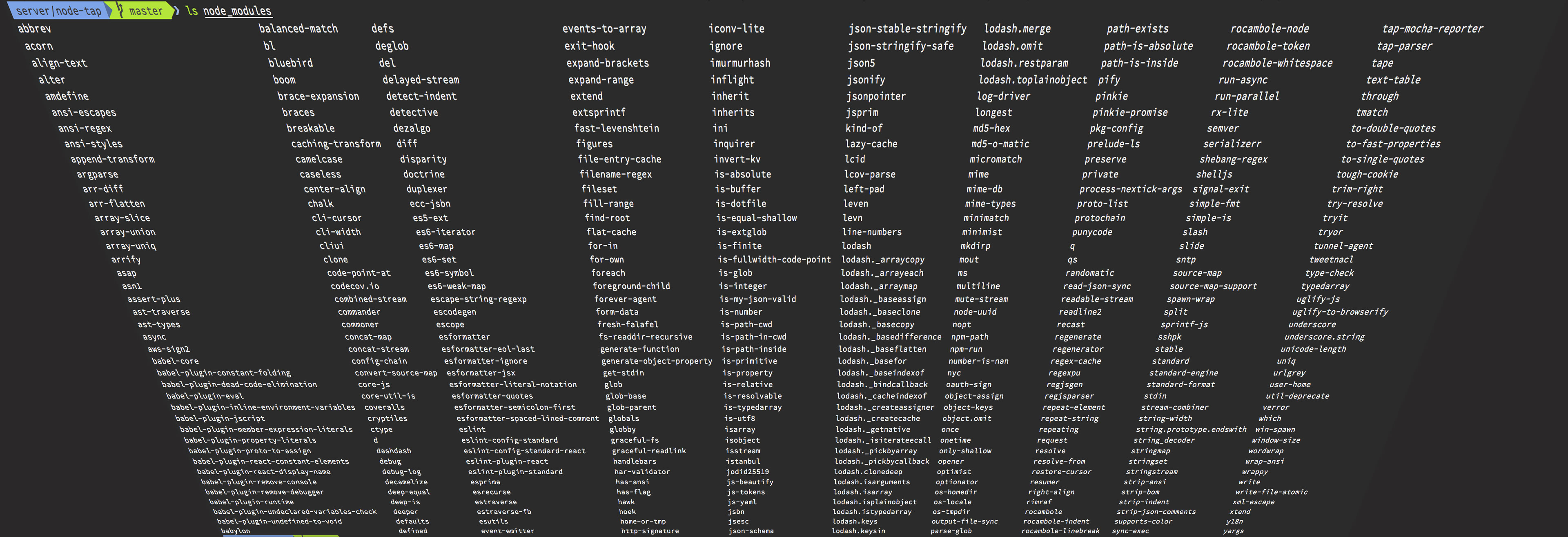
I think this debate is pretty much settled in the node.js community, but here are my notes for posterity.
Home Entertainment is Being Unbundled
The cable industry is afraid of going the way of the music industry, but it's likely already too late.
The "Fintech" Term
Why has this term exploded in use recently? Is it a slick marketing campaign, or bi-industry collaboration?

Tell the White House About Strong Encryption
The White House is asking for comment about "strong encryption". Let them know that it's encryption, or not.
Quick Ways to Start Contributing to Open Source Projects
If you're a developer you might not sure how to get started in the open source community. Here are a few concrete ideas to get you going.
My PGP key
Send me encrypted things.
Why Silicon Valley Works
What makes Silicon Valley unique.
On Investing in CSCO
Maybe it's a medium-term investment, but they're a massive ship that's tried to turn the wrong direction too many times.
React Primer
An intro to react.js for people already comfortable with MVC.
React Inline Styles are Fundamentally Flawed
The official approach to styling with React.js is to use inline styles, but there's a better future ahead.
Easy SSL Setup with Docker and Bud-tls
Easy TLS for any type of site.
The New York Times is Jealous of San Francisco
Articles in the New York Times have been laughably bad when looking a San Francisco; a city and a scene they don't understand.

Rent in San Francisco
San Francisco rent prices are some of the most expensive in the world, mostly because the city government is inept.
Venture Capital, Bitcoin, and the Blockchain
Bitcoin investments are about competing with credit cards, but the real value is the blockchain.
Hierarchies in a Flat Organization
Modern businesses no longer need strict heirarchies, but that doesn't mean switching to a completely flat organization.
Comment to the FCC on the Comcast and Time Warner Merger
The FCC is accepting public comments on the merger. This is mine.

The 20 Year 3D Printing Trend
Solving software problems will become a commodity. Shopping will cease to be a problem.
Data Digital Economics
A new source of power is a large dataset. Should we look for ways to give data explicit value?
How Pintrest Could Monetize
Pintrest could offer coupons for pinning. That's worth a hell of a lot more than a like on a Facebook page — to both the company and the customer.
Defensive Testing
Three rules I've found helpful in determining when to write tests.

Alternatives to Destroying Net Neutrality
ISPs want to kill Net Neutrality because they have to "recover costs" of building their networks. Here are five better ways for them to make money.
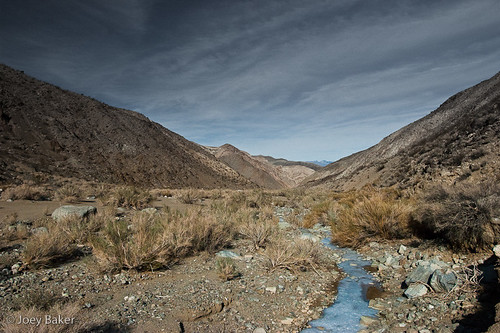
Photo Advent: Wacky Backpacking
My post for Photo Advent. A few tips on how to backpack with camera gear, and some really wacky pictures of death valley.
Why I think Public Parts Ought to Include a Generational Focus
I'm looking forward to Jeff Jarvis' book, Public Parts. I'm really hoping that it's a book that convinces my mother – and her generation – that social networking isn't just a frivolous activity.

Facebook's Problem isn't Privacy, It's Lack of Initiative
All the fuss about privacy is distracting us from the more important issue: Facebook has broken the social contract to turn our freely given data into something more valuable.
Jay Rosen Quietly Defined Crowdsourcing at TEDx
Jay Rosen's TEDx talk didn't have the same brunt force that Jeff Jarvis delivered with "bullshit," but Rosen's outline for crowdsourcing is extremely enlightening.
Why I love MyNews from NewsTrust
A review of NewsTrust's new personalized aggregator MyNews from a user who used to work there.

Microsoft Should Kill IE 6 Tonight: Why I disagree with Leo Laporte
A quick reaction to a great podcast: Microsoft should use its monopoly position to make decisions that benefit us all instead of wavering in the useless middle.
Google Wave for Journalism, A #hackshackers Event
Notes on the Hacks and Hackers event at Google on how Google Wave can be used for journalism and thoughts about what how to pitch Wave.
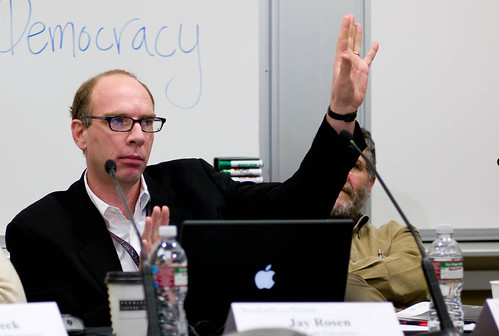
Objectivity: The Mortal Ethic that Started the ‘Quest for Innocence’
A response to Jay Rosen's theory of the newspapers' quest for innocence: sources are going direct, the Fourth Estate has lost its teeth, and Objectivity is killing good journalism.
Dear US Senator for Silicon Valley, Please Help Fix the Mobile Phone Industry
An open letter to my senator, asking her to help fix the mobile phone industry which is threatening business and net neutrality. As the senator for Silicon Valley, I figure she's the right person to ask.
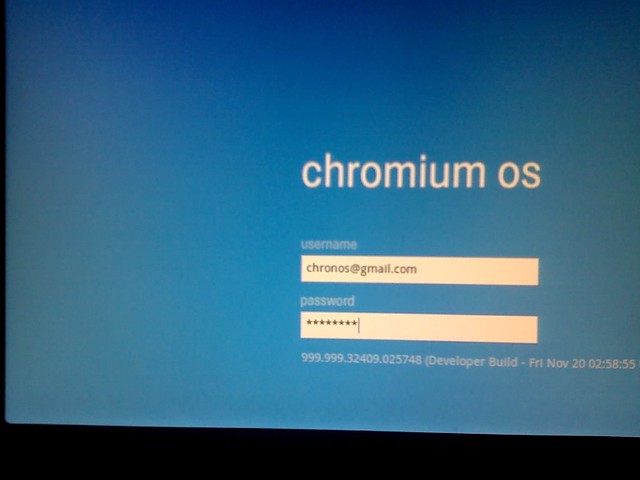
UI Guesses for Google Chrome OS
A few quick guesses on what the design and strategy of Google Chrome OS might be. Mostly because it's fun to guess.
Design says to Shovelware: ‘I need more whitespace’ — A Design Critique of TIME
Continuing the A Web Design Critique series, this post does a quick comparison of a TIME article in the online and print editions.
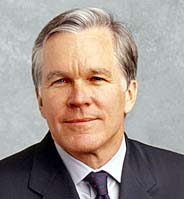
Dear Bill Keller
Bill Keller, Executive Editor of the New York Times, gave an interview to TIME magazine that showed a total lack of transparency, a fear that journalism itself was under attack, and a disturbing amount of the 'old media' mindset. This is a look at what he got wrong, and how to fix it.
Signed and Released: Side Projects are so Good
Two side projects I've been working on: The Vancouver Project and Linked Photographer are now official.
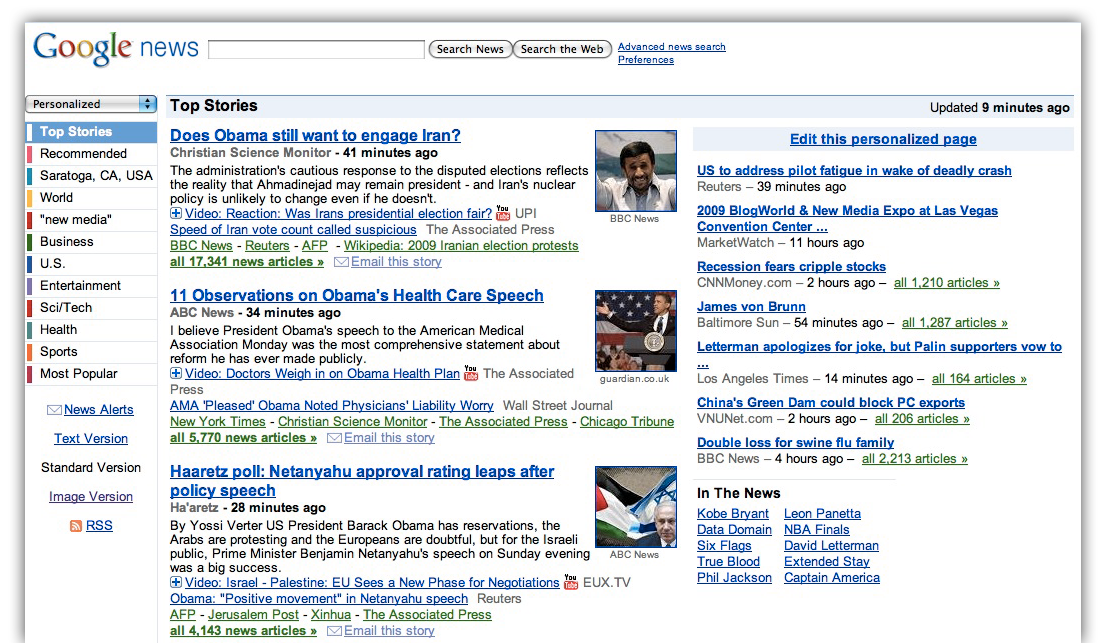
A Web Design Critique of Google News
Google News has been in the media a lot lately – is it really a killer site that newspapers make it out to be? Design (and pageviews) says no.
Google Wave: The end of the Wild Web
Google Wave is easily the biggest step forward in communication since… the Internet. Here's hoping Wave will tame the Wild Web.
I Support iPhones, Not Internet Explorer
This site still doesn't look good in IE, but it now looks gorgeous on the iPhone. Wonder if that has anything to do with the analytics I've been seeing?
Newsorgs Should Offer Freemium Live Interviews
Newspapers are really good at interviewing, and they have the brand recognition to get big names. But, it seems that they've missed the opportunity to make money off of this skill.
Whiteboard of Mindmapping: 'New Media'
A quick look into my mind is a scary thing.

Joey Joining the NewsTrust Team
Summer internship away!
A Web Design Critique of the Newsweek Redesign
In what may become a regular feature on this blog, some free web design advice for Newsweek on their newly redesigned site front page.

Paid Content = Paid Wifi
Apologies for opening up the paid content can of crap again, but with the news the News Corp is planning to start charging for content in the next year, I got to thinking of the problem afresh.The problem comes down to this: will users pay for content that they can just wait for and get for free?
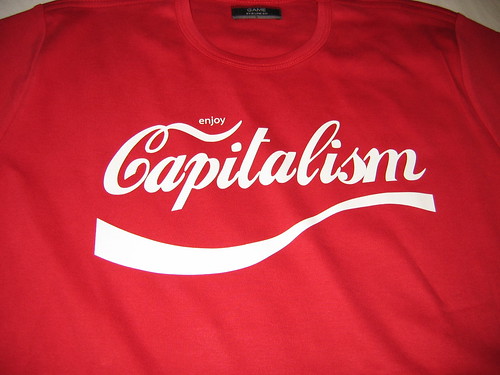
An Economist Approach to the Newspaper Industry
Sometimes it's good to get perspective. Approaching the newspaper business from the point of view of an economist is exceedingly interesting. In this post, I present a the thoughts of a college student economist and my summary reactions.

LINKS | Down with the AP?
There's been a growing feeling that the AP is not our friend in the media industry, but this week, that feeling seemed to bubble over. We've got some rough numbers to show that they're not helping us, and with the rise of ESPN local sites, the AP is rapidly loosing it's marketplace. I don't know if I'm ready to sign their death sentence yet, they do seem to have some smart people working for 'em (I look to the New Model for News study and their iPhone app). Yet, it's painfully obvious (after the youtube fiasco) that the AP is a classic case of the right hand not knowing what the left is doing.
LIVE | NPPA Photo Workshop
I'll be livestreaming the Syracuse University NPPA photo workshop at 4:00pm EST. Click the link to watch here, or go straight to the Mogulus channel at mogulus.com/cutline
The Wall Street Journal has their iPhone App all Wrong
Mobile is the present and the future landscape for the media industry. In this part of the Nieman Labs series of excerpts from an interview with The Wall Street Journal's Alan Murray talks about their new iPhone app.They've got it all wrong, by modeling their app after a print model, but I've got a better idea.
LINKS | Generation Y has Inherited the Media
“Maybe, just maybe, the existing model for generating, distributing and monetizing content could benefit from a Ctrl-Alt-Delete reboot.”- Can the Statusphere Save Journalism?It's been two weeks since my last one of these, which is in part due to laziness, and in part due to my wanting to get a good list going on a contentious topic: Generation Y needs to take over the media.I'm increasingly convinced that the 'old media' model is broken largely because the old folks just don't get it. Not to say that there aren't people in 30s-70s who don't get 'it,' just that there are too few, too few in a position of power, and too few who get 'it' enough.These are my links for March 29th through April 13th
BATTLE | Planning a Budget ‘New Media’ for Feature
The process of developing a story budget for The Daily Orange Feature Desk is mostly one of narrowing down broad ideas to make them relevant to the population the paper serves.This is just a mind dump of ideas that I shared with the Editor on how to make their content a bit more 'new media' friendly.
LIVE | D.O. Palooza

You can’t make abundancy scarce
I'm sick and tired of the mind-fuck that the 'old media' types try to pull on us. Charging for content, just because you decide it's valuable is asinine. We've got a choice: charge for a great user experience, or charge for fantastic content.
LINKS | Generation Y takes on the world
Last week has lead me this generalization: Generation Y fundamentally understands the internet, and therefore the current state of the world, in a way that older generations just never will. It's a generalization and not a maxim, because as folks like John Bryne, Bryan Murley, and even Steve Jobs remind me that us youngin's aren't the only ones who get it, we're just in the majority. This post contains my links for March 21st through March 27th.
rev2oh | Classifieds: Use a tiered selling strategy
RevenueTwoPointZero is a new group of very smart folks who are trying to rethink the business model behind journalism. After their conference last weekend, they've published a series of blog posts on their brainstorming sessions. I'll be responding to many (if not all of them) with the rev2oh slug.The one concern I had when reading the rev2oh plan for classifieds was the approach to selling premium content, which seems to follow a micro-payment model. Rather than nickel and diming the customers to death, I've got a better solution.… Read the rest of the post…

LINKS | Inspiration Only
This has been a really inspiring week for me. Everything from my talks with John Lowe, to activity at CoPress, to a phone conversation with Daniel about the future, to progress at The Daily Orange to this fantastic piece at Nieman Labs. With that in mind, I'm going to limit myself to links that inspire this week. (Also, it's been two weeks since I did one of these posts due to vacation. There's a lot of links.)
Newsflow: How Journalism Is and Will Be Generated
After taking a look at Steve Johnson's, co-founder of outside.in, speech from SXSW on the state of the news industry, I think this ideas are sound, but the details are too general.I've expanded on this thinking in a chart, Newsflow, to show the relationship between consumers, data, crowdsourcing and journalists.

ESPN shouldn't use their monopoly to take advantage of students
Image via Wikipedia ESPN has got me riled up. They actually want college journalists to work for them for free. It's not only outrageous, but down right dirty.

Newspapers should Repurpose Craigslist to save their classifieds
Newspapers need many revenue streams to make money online. Here's one that utilizes craigslist for your benefit.
Gut Punch: TIME experimenting with Paid Content
My long time love affair with TIME.com has been seriously tested: they're going to start experimenting with paid content. I don't think it will work, but it is experimentation.
LINKS | The Rocky Dies and the Daily Emerald Strikes
So, I'll be on vacation (woot!) for the coming week which means a couple of things: I'll have limited Internet access, so don't expect a my LINKS post to be very long/exist next week. I'll have limited Internet access and don't plan on being able to get any work done. At all. Not too sure how I feel about that. My Thursday resolution to try out TweetDeck for twitter is gonna have to wait a while.On a similar note, if any of you have any requests on how to better lay this post out or better formating or etc… lemme know.Here we go: these are my links for February 26th through March 5th.
Lightroom or Aperture?
This gets filed under the old news category, but I thought I'd share a demo I did on Lightroom several months ago. (oh, and that's my first submission to slideshare!)
LINKS | Google's Church
Since I've decided to start giving my links rankings, starting next week, I will only be posting links with a 3 star or greater ranking.Lots of links on journalism this week (not unusual). There's a very long article from The New Republic that's very long, but exceedingly good. Also, check out my post on newspapers as a platform – I promise it's shorter :)
REPOST | Defined: Newspaper Platform

Rank your links! A publish2 community proposition
From now on, I’ll be adding asterisks to my tags in publish2, as a way to star rank the quality of the post on a scale of 1-5. Just like iTunes. Just as easy to do.I invite you to join me in this endeavor. If we all start doing this, it will become an effective way of raising the best links to the top of the pile.I've created a Get Satisfaction feature request, please weigh in there.
LINKS | Micropayments don't work, but everyone has a better idea
Somehow, I missed the links from the latter part of last week, and have been bookmarking like crazy this last week. So, ya'll get a ton of links. Apologies for the long, long list, but I've broken it up with some good videos — and I've edited down! These are the cream of the crop from February 10th through February 20th.
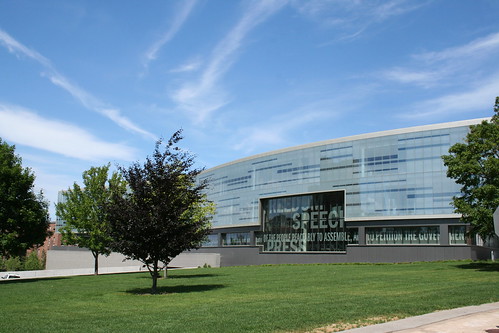
How Newhouse can become relevant again
This post is in part a response to Lauren Rabaino’s post on how to change the Cal Poly journalism program in part an answer to the #collegejourn call for posts on how to improve college journalism education.

Micropayments lead to Piracy
If micropayments take hold, the news information business will likely see the same sort of piracy that has affected the music, movie, software, and video game industries.
LINKS | Newspapers don't need micropayments
These are my links for February 6th through February 8th, covering a wrap-up of the TIME magazine article on How to save newspapers. Including a look at a variety of different possible business models and some Tech and Photography links.

BATTLE | What we need, is infastructure
As a follow up to my BATTLE post, What we need, is a plan, I'd like to share some the continued converstation between myself, and the ever skeptical (and it's a good thing to be skeptical), staff of The Daily Orange .Read on to see 8 reasons why College Publisher, the advantages of moving off CP, and how why infrastructure for the move matters.
Newspapers Oughta Sell Their New Expertise
To adapt to the Internet, newspapers have been forced to evolve, some have become experts in ‘new media.’ Why not sell this expertise to ad clients as a package to get them online in a fast, convenient way. Both parties would benefit.
BATTLE | What we need, is a plan
The Daily Orange has no roadmap for moving online in a meaningful way. Despite publishing online for the last 7 years, the site design is awful, all content is shovelware, and there is no clear way to get out of the rut.This post presents a plan to move forward.
The Internet Broke the Economy
Douglas Rushkoff of NYU has completely blown my mind. It's not often that one finds a completely, world-upside-down, mind-altering … anything. But this is it. The thesis: The internet has turned the world on it’s head because because it destroys the traditional definition of economy: “rational actors maximizing their value through the acquisition/distribution of scarce resources.”
LINKS | Please, please don't charge for free information
These are my links for January 30th through February 6th:Including how to perform a sleight of hand Penn and Teller video, arguments for a non-profit newsorg business model, and one of the coolest business cards I've ever seen.
BATTLE | Google Juice your blog (repost)
The first BATTLE post will cover my struggle with The Daily Orange management to bring the evolution of 'new media' to the paper.
LINKS | In case you missed it last week…
These are my links for January 23rd through January 30th:A few funny comics, and many links on why Twitter is good for journalism.
3.5 Years of College… Over?
In which I take a leave…
Links | “Journalists are the biggest terrorists”
Links for January 16th through January 19th
Links for January 12th
Links for January 11th
These are my delicious links for January 11th from 08:06 to 22:57:
Links for January 10th
Links for January 9th
You've noticed the 'links'
Anyone know a good way to get tumblr to auto-post a digest to wordpress?
Links for January 8th through January 9th
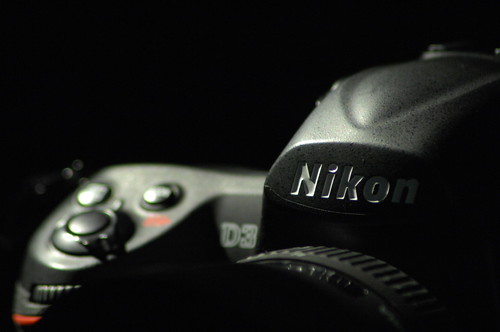
Why the Nikon D3 sucks (and what the D4 oughta be)
What I'd like to see on the Nikon D4, that the D3 is lacking.
Links for January 8th
Links for January 6th through January 7th
Links for January 6th
Death Valley Photos
Photos up and and shoot analyzed.
Links for January 5th
Links for January 5th
links for 2009-01-04
No wonder they don't trust us
Journalists need to grow some balls.
Aught 9
Happy New Year!
Backpacker Responder
Take a look at some new photos

Shrink the Web (2.0)
Small social networks have never worked very well, with the F* Connect convergence, we're going to see their relevance grow.
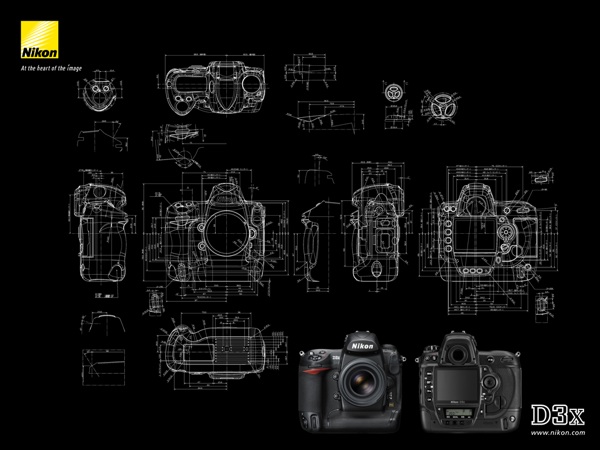
The World is Our Studio
24MP, Nikon Lens system, full frame, highest priced Nikon ever.
Again, TIME is making good steps…
TIME strikes again, and they might have a workable business model!

Red DSMC
Pros, Cons, and remaining questions
Best Practices
Poynter has bestowed a 'best practices' on me.
Hear Hear
Old media doesn't know how to do new media, and I don't think that talking about it is going to help
Starbucks just won me over
SNL commercial from Starbuck's strongly encourages everyone to VOTE.
Yes, "It is our fault"
The challenge of 'saving journalism' seems to be falling to us younger, tech savvy, folk.

Newspapers need a Platform
Check out my post at CoPress, for a quick overview of why we need to develop a common platform for all newspapers. Or… go the way of the railroads.

The Power of "The Fourth Effect"
Worth watching: www.xdrtb.org
Reverie: The Future
DSLRs with video. I'm in love.
The 5D Mark II
1080p video, 21mp. wow.
'New Media' Chaos
Guilt post for having not written in a while. Stream of consciousness update on my New Media adventures.
Business and Coolness
I've been super busy lately, but wanted to post this real quick. More soon.
Drooling: RED DSLR?
Can we even think about 24 fps at 12mp … in RAW?
Four More Newspapers Intend To Drop AP Over Rates
Just a musing that the AP needs to tread carefully.
Following Obama
A narrated audio slideshow with some unique pictures of Obama.
Nikon D90: I thought this was at least 5 years out
I'm an happy Nikon fan-boy.
Some Photogs Can Write
"When I die, I hope I have a bag of popcorn, because if my life flashes by, it's going to be a hell of a show. "
National Geo's Photo Editor: Great Photography
A TED talk by David Griffin.
Canon Might be in Trouble
Canon 50D Info Leaked?

Censorship ➔ Ambivalence
The media is causing the decay of outrage.
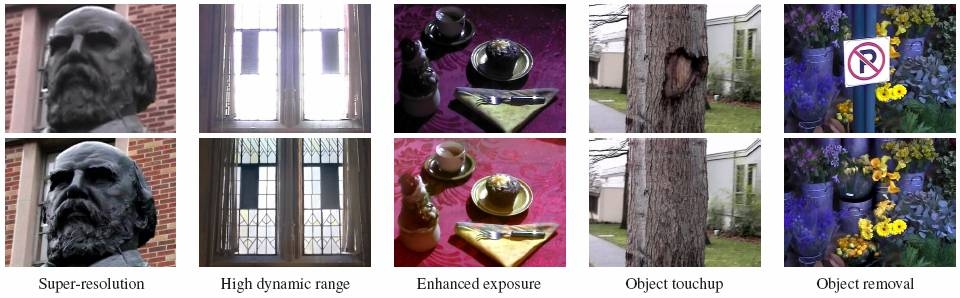
I bet the CIA could do this 10 years ago…
Video editing from the future.

War in Georgia
When I first looked at TIME's collection of photos my first reaction was: "meh, more war photographs." Once you get past your seven-year familiarity with war photos, these photos reflect their own importance.
Gaffes
TIME repurposes their pre-built online ratings system.
NBC Olympics: Annoying, Incompetent, Liars?
I'm going to enjoy the Olympics throughly, I'm also going to take everything that NBC shows with a grain(s) of salt.
'Olympicpix'
Read the blogs here.
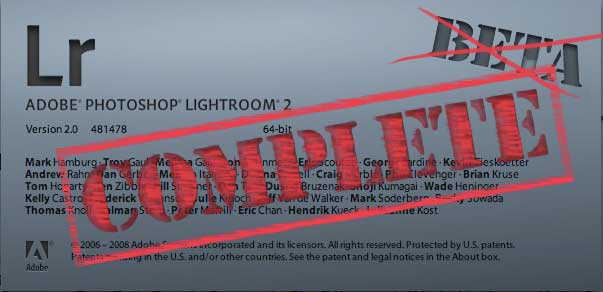
I Leave for a week!
Lightroom 2 … what a treat to come back to.
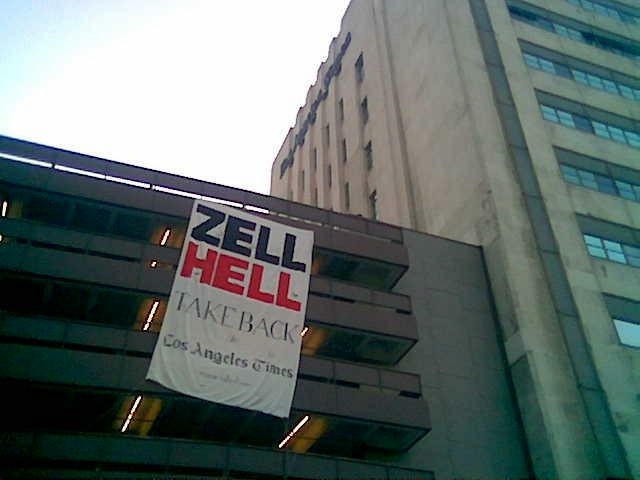
Zell Hell
"Take Back The Times."

War Photographer: Aftermath
"I thought I'd put photojournalism and war behind me four and a half years ago when I traded in the dusty battlefields of Iraq and Afghanistan for law school in Miami. But those words reminded me that you never truly leave the battlefield behind."
Esquire Gets It…
Esquire announces a huge leap forward in digitizing the Media Industry – Kudos!
Disembedded: Marines Send a War Photographer Packing
"They embedded a war photographer, and when I took a photo of war, they disembedded me. It's as if it's okay to take pictures of them handing lollipops to kids on the street and providing medical care, but photographing the actual war is unacceptable."
How to Save Afghanistan
TIME has a great article on how to fix Afghanistan. The bad news: We suck, and no one (including Obama and McCain) know how to fix it. The good news? We can do better by doing less.
Apparently Reports, Editors and JUDGES Decide Newsworthiness
Another blow against the free press in the US.
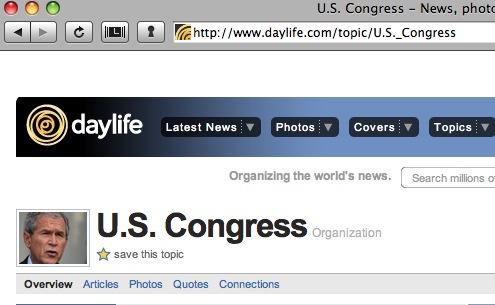
Auto-Aggregation Needs Real-People Editors
The president's picture should never appear as a representation of the Congress. It's a marketing/perception problem for aggregation sites.
ooooo shiny!
"Try not to pick up every shiny object that comes your way, sometimes, it's a chainsaw." (this post is a rant)
Steve to Craigslist: Open up!
If Craigslist opens up will newspapers?

Audio Slideshow: Afghanistan's Ongoing War
Some great photos and a really good script for the narration. Zalmai does a decent narration, but her voice lacks some of the emphasis that a good narrator requires. Well worth the watch, and worth hearing the story.
Free Market =? Free Press
Newspapers should 'buy' when things are 'low.'

Ed Kashi: Nigerian Oil
Ed Kashi talks about his project on Nigerian oil. The US buys half of the oil produced in Africa's most populous nation.

MobileMe Reviewed
I've just gotten my hands on a full MobileMe account and I thought I'd take the opportunity to compliment and complain. Spoiler: I'm impressed with the flashiness, but think there is a lot to work on.
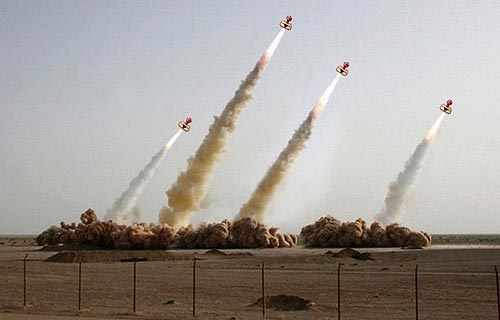
Don't Get Caught Photoshopping, We'll Laugh at You
A funny photoshop take on Iran's photoshopping debacle.

ProPublica Announces Six More Staff Hires, Including Four Pulitzer Winners
Stop Big Media - Sign a Petition
They do care, right?

Why Pro Photographers are Hired
Getty, meet free market.

'Welcome Adorama!' From Joe McNally's Blog
Crisis in News: Investigative Reporting on the Web

The Other Front - Back in Kabul, Never at Peace - Tyler Hicks - NYTimes.com

Make Money by Removing Ads
The key here is to provide relevant, local, ads that users find helpful, not gaudy.

Colombia Releases Video of Jungle Rescue - NYTimes.com

Digg strikes home

Blogging Off a Car Battery
Quick Post: Layoffs Laid On (a map)
I know What I want!
Adobe, what's wrong? You gettin' lazy?
Watching Media Conglomeration Progress
Seen WallE? This is hilarious

Wimbledon: An Alternative Look - Photo Essays
Newspapers selling off assets
TMZ got it right!
Nikon releases new gear
Meet the Press ... Moderated by Tom Brokaw
The Blogoshpere Works as a good check on the Media
Penguins are way harder to figure out than humans
Google Tries Tighter Aim for Web Ads - NYTimes.com
Tough One: The Government's Right to Notes
Connecting Another Dot(s)
No, no, Newsprint IS Dead
If you were in doubt: Tribune Co. is in the News Business
Myth: The Smaller News Hole (at the NYT)
I'm OK with Cops

How I want my Data: Locality & Cloud Aware
In which I ask for iCloud in 2008
Rupert Murdoch, Chairman and CEO, News Corporation | D6 Highlights | AllThingsD
For more, 'I told you so.'

Inteview: Nikon's New Scene Recognition System
Not News to Me…
Whiskey Tango Foxtrot did happen to that War?
Your Right$ Vs. Their Right$ Right? - The Digital Journalist
In civilization again.
How Not To Do Newspaper Video
Still Photography has a Future!

Add to My List of Heros: Tim Robbins
Citizen Journalism, Brought to you by YouTube
Jeffrey Friedl’s Blog » Preset Templates in My Lightroom Plugins
Why TIME.com is my Hero:
Great Scots!!!

Time 100 Covers - Photo Essays
TV is Dead

The Middle East Gets Press Freedom?

In the Jungle with FARC - Alvaro Ybarra Zavala
The Coolest D.C. Party is Still Lame
Mark Hamburg leaves Adobe – LightroomNews
You Suck at Photoshop Guys Revealed!
Vuze says some ISPs abuse TCP resets; data not that clearcut
Editing: 'Real World' Style
Murdoch Moving to Buy Newsday for $580 Million
CNN.com survives random outages

Chinese 'Free Press'
Pakistan: Great US Ally?

In the Time of Trees - Photo Essays

In pictures: Rome marks 'anniversary' - BBC
Props to the AP
China urges 'rational' protests - BBC
EU states agree that inciting terrorism on the Internet is a crime
Curious How Much of a Mess Iraq Is?
China Spurns Apology, Keeps Pressure on CNN - washingtonpost.com
Inside Saudi Arabia. - By Nicholas Schmidle - Slate Magazine
BBC NEWS | UK | Six jailed for supporting terror

Where In the World Do You Want to Go? - - PopPhotoApril 2008
Press secretary to the rescue - Ryan Grim - Politico.com
I don't support PCs

The Power of Photo Editorial Decisions

SWAT! - Photo Essays
Papal President
London Book Store Your videos - Currently Viewing "Book Store"
DailyTech - German Schoolboy Finds Fault in NASA's Apophis Calculations
Can We Give Clinton's Problem to Bush?

Graffiti artist Banksy pulls off most audacious stunt to date - despite being watched by CCTV | the Daily Mail
Iraq: The ten commandments | Salon
Comcast to spearhead creation of P2P Bill of Rights
On the Economy, 70% Disapprove of Bush - washingtonpost.com
China 'gold medal' for executions – BBC

New CSS Gradients
AP Cuts Prices, Announces Mobile Product - washingtonpost.com
New and Used (Conscientious)
CBS Journalist Freed in Iraqi Raid
BBC NEWS | Technology | Hackers exploit poor website code
BBC NEWS | World | Asia-Pacific | Olympic torch travels on to Oman
Photoshop CS4 Sneak Peak

Examining X-Ray - Photo Essays
The Economics of the Iraqi War
A Lighter Day for Torch in Argentina - washingtonpost.com
My Neighborhood - Baghdad Bureau - Iraq From the Inside - New York Times Blog
TIME.com: Cheers
Olympic Torch Stops in Argentina
An Apathetic Iraq: The US Election

CBS Said to Consider Use of CNN in Reporting
ABC News: Sources: 'Principals' OK'd Harsh Tactics

Adobe Releases Lightroom 1.4.1, Camera Raw 4.4.1 Updates

What the heck is going on…
San Francisco Takes Olympic Torch Off-Route - washingtonpost.com
Iranian Blogosphere Tests Government’s Limits
Confessions of a Caffeine Addict: I must be American, 'cause I run on Dunkin'
Freelancers: How do you get work? | creativebits
Italy and Dublin
Times Reporter Free on Bail - washingtonpost.com
Congress To Hear Of Gains In Iraq - washingtonpost.com
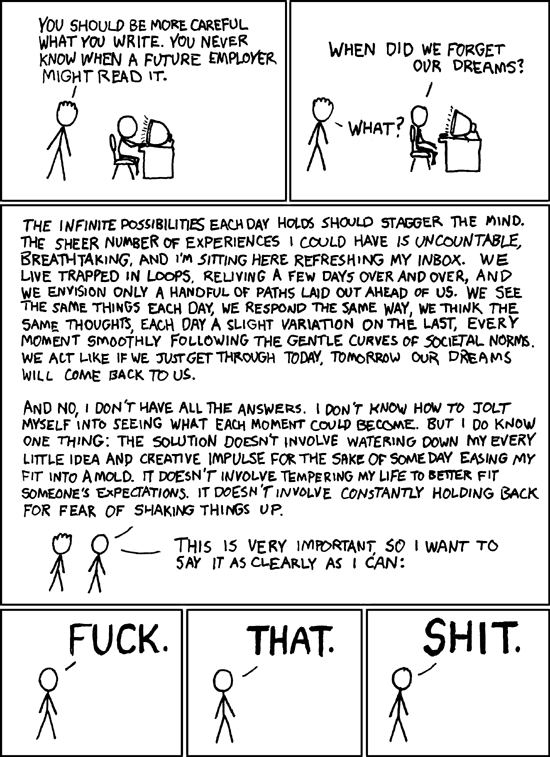
xkcd - A webcomic of romance, sarcasm, math, and language - By Randall Munroe
Washington Post Wins 6 Pulitzer Prizes
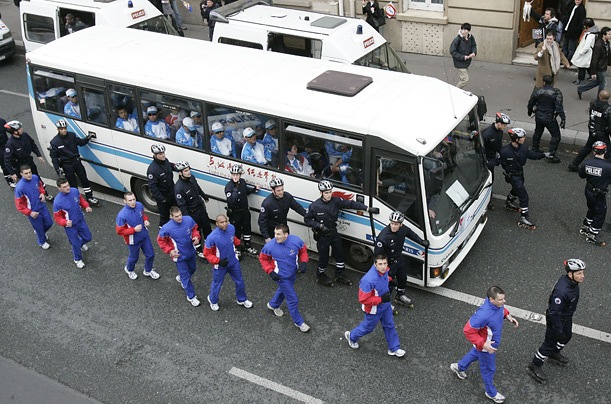
The Olympic Torch In Europe - Photo Essays
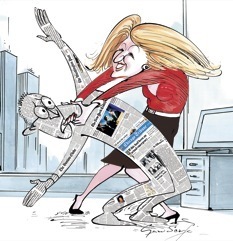
The News Business: Out of Print: Reporting & Essays: The New Yorker
Cloud computing is well and good, but it can't beat the desktop computer. - By Paul Boutin - Slate Magazine
iStock reveals revenue, photographer payouts | Underexposed
John Nack on Adobe: Photoshop, Lightroom, and Adobe's 64-bit roadmap

Canon loses SLR share, as Nikon surges | Underexposed

Wow, that took a while.
The New York Times' design director defends its new welcome mat. - By Jack Shafer - Slate Magazine

BBC Poll: World views US 'more positively'
Lightroom Journal: Lightroom 2 beta Available
A comment of mine on Creative Bits
Turkey Court Takes Politically Explosive Case
Neowin.net - Microsoft to snub standards compliant mode in IE8
MacBook Air Parody Ad Strikes on Several Levels
Vatican: Islam World's Largest Faith
US plans finance system overhaul
Slashdot | Sony BMG Sued For Using Pirated Software
Muslim 'Hearts and Minds'
In Shiite Slums, Victory Must Be Won in the Alleys
Coda Confidential
Photography ➔ Video
Lightroom 1.4 - sucks
The Photographer's Right: UK Style
Behind the Lens with John Moore - Pop Photo
Google outlines proposal for 'Wi-Fi on steroids' | Tech news blog
Generation Gap: Study Group 2.0
US Death Toll in Iraq Hits 4,000
Touring Around London

Five Years in Iraq
Self-Discharging Rechargeables
Starbucks Announces Sweeping Changes
Photojojo » Photography and The Law: Know Your Rights
How Apple Got Everything Right By Doing Everything Wrong
The New Austerity - What's Next 2008
mezzoblue § Mediatyping

Three Days In and Out of Tibet - Photo Essays
Iraqis Don't Credit US for Safer Lives
Geeky Stuff: File Systems
Continued NSL abuses show FBI biased, cannot police itself

Pictures of the Week - Shuttle Launch
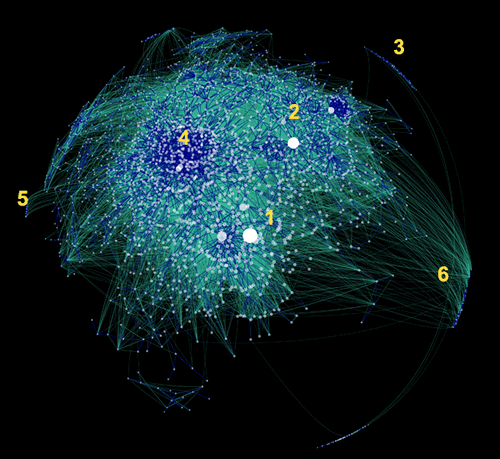
The Blogosphere Visualized
Adobe Yanks Lightroom 1.4 & Camera Raw 4.4

Back to Baghdad: Hell Reassessed
Appalling Spread of False Information Requires Stronger Media Accountability
Dana Milbank - The Secret Is Out: There Was No Big Secret

Simplicity
TSA causes MacBook Air owner to miss flight
Study Discounts Hussein, Al-Qaeda Link

Inspire me, now!
Levy: Gone, Without a Trace
How Google's counterculture changes everything | The Digital Home - Don Reisinger's take on the tech closest to home - CNET Blogs
Italy

Election Day - The Digital Journalist
Ethics: The High Price of Ethics - The Digital Journalist
Italy – Day 1.5~ish
Math Suggests College Frenzy Will Soon Ease
Gmail falls prey to spam bots | Tech news blog
A Global Need for Grain That Farms Can’t Fill

North Korea's Deadly Exit

Steve Jobs as Mac product
AppleInsider | Apple announces iPhone 2.0 software and SDK beta

The Wire's War on the Drug War
PopPhoto Flash: Tip of the Day: 8 Habits for Creative Photographers
IEBlog : Microsofts Interoperability Principles and IE8

szymon:
szymon:is there a difference? ;) (source)
A Guide to Web Typography | i love typography, the typography blog
Examining the 'Great Paper' - The New York Times
"I attend meetings in which designers present their designs—typically the first round of..."
“I attend meetings in which designers present their designs—typically the first round of...
UsingMac - Leopard - Optimizing Spotlight Search
Creative License. Take as much as you want.
byJoeyBaker
byJoeyBaker: my own wordpress blog on my own server!
100 Photographs that Changed the World
100 Photographs that Changed the World: idreamed:(via sarahlane)

szymon:Fruits! Beware! (and other funny photoshoped images)
szymon:Fruits! Beware! (and other funny photoshoped images)
Start-up lets you fix focus after snapping the shutter | Underexposed
I want it!!!
"Make Money Around Free Content Illustration: Gaping VoidWhat does the “Media Business..."
“Make Money Around Free Content Illustration: Gaping VoidWhat does the “Media Business...
"Martin Stiksel, co-founder of the site, said: “We have created a new model that works for..."
“Martin Stiksel, co-founder of the site, said: “We have created a new model that works...
Free! Why $0.00 Is the Future of Business
Free! Why $0.00 Is the Future of Business : Fascinating look at the future of the internet as a...
Fewer Youths Jump Behind the Wheel at 16
Fewer Youths Jump Behind the Wheel at 16 - New York Times: What’s wrong with kids today? Being...
"Today, Mr. Devlin’s story has new resonance amid a renewed debate about the proper limits of..."
“Today, Mr. Devlin’s story has new resonance amid a renewed debate about the proper...

Bridging the Future: Behind the Scenes at the Bay Bridge...
Bridging the Future: Behind the Scenes at the Bay Bridge Construction Site | Autopia from Wired.com
"By the 7th grade it was universally understood that I knew twice as much about computers as anyone..."
“By the 7th grade it was universally understood that I knew twice as much about computers as...
"The John McCain-Vicki Iseman story is not the first article the New York Times has held back for..."
“The John McCain-Vicki Iseman story is not the first article the New York Times has held back...

Jim Koch - Photo Essays
Photos are decent, but common… the content is fantastic.
"The John McCain-Vicki Iseman story is not the first article the New York Times has held back for..."
“The John McCain-Vicki Iseman story is not the first article the New York Times has held back...
"Instead of devoting the entire sensor for one big representation of the image, Fife’s..."
“Instead of devoting the entire sensor for one big representation of the image, Fife’s...
"It would have seemed incredible a couple of years ago, but a George Polk Award was given to a..."
“It would have seemed incredible a couple of years ago, but a George Polk Award was given to a...
"In an early warning sign of consumer weakness, Apple Inc. has reportedly slashed its 2008 NAND flash..."
“In an early warning sign of consumer weakness, Apple Inc. has reportedly slashed its 2008...
A Magnum photo essay
A Magnum photo essay
Mac Owners Are Snobs AAPL, MSFT - TheStreet TVRather true I...
Mac Owners Are Snobs AAPL, MSFT - TheStreet TVRather true I suppose. I am a perfectionist. I do believe my computer is better (and often tell others). Macs are a better product. And we don’t hesitate to brag.
